

Wondering what keeps diesel trucks in Many, LA, from running their best? The answer often comes down to five common issues: dirty fuel, worn injectors, faulty glow plugs, turbo problems, and cooling system failures. While these may sound familiar, the real challenge is knowing how to recognize the early warning signs before they turn into major repairs. At Consolidated Truck Parts & Service, we’ve seen firsthand how small oversights can sideline trucks and eat into a driver’s bottom line.
In this guide, we’ll break down each of these problems in detail, explain what typically causes them, and share practical steps you can take to prevent costly downtime and keep your truck performing at its best.
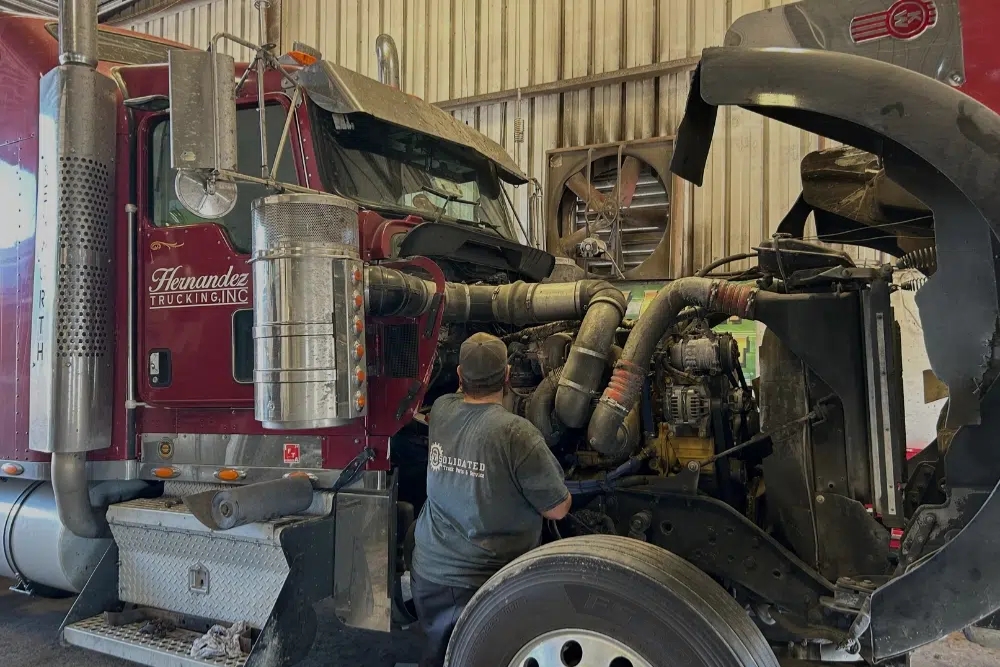
Keeping Diesel Engines Reliable: The Power of Prevention
Diesel engines are workhorses. Built for high torque and long lifespans, they power everything from heavy-duty trucks to construction equipment. But they also run at higher pressures and temperatures than gasoline engines, which means:
- Small oversights (like ignoring a clogged filter) can quickly escalate.
- Components like injectors and turbos face extreme stress daily.
- Moisture, dirt, and poor fuel quality cause faster wear.
When left unchecked, these problems don’t just stop your truck. They ripple into missed deadlines, costly roadside repairs, and loss of revenue. This is why diesel mechanics emphasize preventative maintenance as the key to keeping your truck reliable.
5 Common Diesel Engine Problems (and How to Prevent Them)
1. Fuel Contamination
Fuel is the lifeblood of your diesel engine, and when it’s contaminated, everything downstream suffers. Louisiana’s humid climate makes diesel fuel especially prone to water intrusion, which encourages algae growth and rust. Over time, this leads to clogged filters, corroded injectors, and inconsistent engine performance.
Symptoms of fuel contamination:
- Hard starts or rough idling
- Loss of power on acceleration
- Unusual smoke from the exhaust
Prevention tips:
- Drain the water separator frequently.
- Replace filters on schedule.
- Buy from reputable fuel stations.
- For fleets, use proper storage tanks with water-blocking filters.
If left untreated, contaminated fuel doesn’t just slow you down. It can destroy high-pressure pumps and injectors, leading to costly repairs.
2. Injector Wear and Failure
Injectors spray fuel into the combustion chamber with precise timing and pressure. When they wear out or clog, the entire combustion process is thrown off balance. In Many, LA, dusty worksites and long idling times often speed up injector wear.
Warning signs include:
- Rough idle or engine misfires
- Increased fuel consumption
- Black or white smoke from the exhaust
Prevention tips:
- Use fuel additives to keep injectors clean.
- Replace injectors before they fail.
- Keep up with fuel filter changes.
Because injectors are directly tied to combustion, ignoring early signs can damage pistons, cylinders, and even the entire engine block. A skilled Many, LA diesel mechanic like those at Consolidated Truck can run diagnostic tests to catch injector problems before they snowball.
3. Glow Plug and Starting System Failures
Cold starts can be frustrating for diesel drivers. Glow plugs or intake heaters are designed to warm the combustion chamber, but when they fail, the engine struggles to ignite. Even in Louisiana’s moderate winters, cool mornings are enough to reveal a weak starting system.
Symptoms of glow plug problems:
- Long cranking times before the engine fires
- White smoke during startup
- Complete failure to start on cold mornings
Prevention tips:
- Test glow plugs ahead of cooler months.
- Maintain healthy batteries because low voltage shortens glow plug life.
- Address sluggish starts right away to avoid damaging the starter motor.
What starts as an annoying morning ritual can turn into major downtime if the starting system is ignored.
4. Turbocharger Troubles
Your truck’s turbocharger plays a critical role in power and efficiency by forcing extra air into the combustion chamber. But it is also one of the most abused components in a diesel engine. Dirty oil, overheating, or abrupt shutdowns can all shorten its lifespan.
Symptoms of turbo issues:
- Loss of power when climbing hills or hauling heavy loads
- Whistling or whining noises from the engine bay
- Excessive exhaust smoke
Prevention tips:
- Stick to oil change schedules religiously.
- Let the engine idle for a short period before shutdown to protect turbo bearings.
- Inspect and replace worn hoses or gaskets.
Turbo failures not only reduce performance. They can send metal fragments into the engine, creating catastrophic damage.
5. Overheating and Cooling System Breakdowns
Diesel engines generate a tremendous amount of heat. When the cooling system fails, the consequences are immediate and severe: warped heads, cracked blocks, or seized engines. Drivers in Many often underestimate this risk because local winters are not extreme, but heavy workloads in humid conditions make cooling systems just as critical.
Common causes of overheating:
- Low coolant levels
- Leaking hoses or gaskets
- Failing water pumps or radiators
Prevention tips:
- Test coolant strength and replace it on schedule.
- Inspect hoses, clamps, and pumps during every service.
- Do not ignore small leaks since coolant loses compounds quickly.
Even one overheating incident can shorten the lifespan of your diesel engine by years.
An Often Missed Step: Electrical & Sensor Issues
Modern diesel engines rely heavily on sensors and control modules. Problems with wiring, batteries, or sensors can mimic mechanical failures, leaving drivers frustrated.
- Faulty sensors can cause false “check engine” lights.
- Weak batteries affect the entire engine management system.
- Corroded wiring leads to intermittent stalling.
Prevention: Regular diagnostic scans catch electrical issues early. At Consolidated, we utilize factory-level software for all major brands to identify hidden problems before they cause trucks to be taken off the road.
Catching Diesel Problems Before They Spiral Out of Control
A clogged fuel filter doesn’t just restrict flow. It can lead to injector failure. A weak battery doesn’t just slow cranking. It stresses glow plugs and shortens their life. Diesel engines are systems where every part depends on another.
By staying proactive with inspections and routine maintenance, you can avoid this domino effect. What looks like a $200 fix today could easily become a $2,000 repair tomorrow if left unaddressed.
Decades of Diesel Service Louisiana Drivers Depend On
When it comes to diesel repair near you in Many, LA, drivers and fleet managers turn to Consolidated for more than just technical expertise:
- Experience that spans generations. Serving Louisiana since 1957, now in our third generation of ownership.
- All makes, all models. From Freightliner to International to Isuzu equipment, we handle it all with OE diagnostic tools.
- 24/7 mobile diesel service. Breakdowns don’t wait for business hours, and neither do we.
- Preventative care programs. Tailored fleet solutions with inspections, DPF cleaning, and maintenance scheduling to keep downtime low.
- Honesty and communication. Customers are updated at every step with ETAs, approvals, and clear explanations.
When you need more than just a mechanic, you need a partner who knows what it takes to keep Louisiana’s hardest-working trucks on the road. Learn more about our services by visiting our Diesel Repair page.
Frequently Asked Questions
What are common diesel engine problems?
Common diesel engine problems include fuel contamination, worn injectors, glow plug or starting system failures, turbocharger issues, and overheating. These often result from poor fuel quality, neglected maintenance, or heavy workloads. Regular inspections and preventative care help avoid expensive breakdowns.
Why is my diesel truck hard to start?
A diesel truck may be hard to start due to weak glow plugs, low battery voltage, fuel contamination, or injector issues. Cold weather thickens fuel and oil, making ignition tougher. Routine checks and seasonal prep reduce these problems.
What are the signs of a bad fuel injector?
Bad diesel fuel injectors cause rough idling, poor fuel economy, excess exhaust smoke, and hard starts. Severe cases may lead to misfires or loss of power. Prompt diagnostics prevent injector issues from damaging the engine.
How often should I change the oil in my diesel engine?
Most diesel engines need oil changes every 10,000 to 15,000 miles, depending on manufacturer recommendations and workload. Trucks under heavy loads may need shorter intervals. Regular oil changes improve performance and extend engine life.
What are the symptoms of a failing turbocharger?
A failing diesel turbo often causes whining noises, reduced power, and excessive exhaust smoke. Drivers may also notice higher oil consumption. Since turbos run under high heat and pressure, timely oil changes are critical to avoid severe damage.
Get Reliable Diesel Service in Many, LA—Book Now
Don’t let a small diesel issue become a major repair. At Consolidated Truck Parts & Service in Many, LA, we specialize in preventative maintenance and complete diesel repair. Whether you run a single truck or an entire fleet, our team is committed to keeping your equipment safe, efficient, and profitable.
Find us at 1000 Fisher Road, Many, LA 71449, give us a call at (318) 256-9683, or schedule an appointment online now.
We also provide expert diesel service at these Louisiana locations:
- Monroe – 2604 Millhaven Road, Monroe, LA 71203 | (318) 325-1948
- Alexandria – 3333 North Bolton Avenue, Alexandria, LA 71303 | (318) 767-4287
- Lafayette – 2623 SE Evangeline Thruway, Lafayette, LA 70508 | (337) 467-0936
Get ahead of diesel problems before they cost you time and money. Partner with the mechanics Louisiana drivers trust most.